Project overview
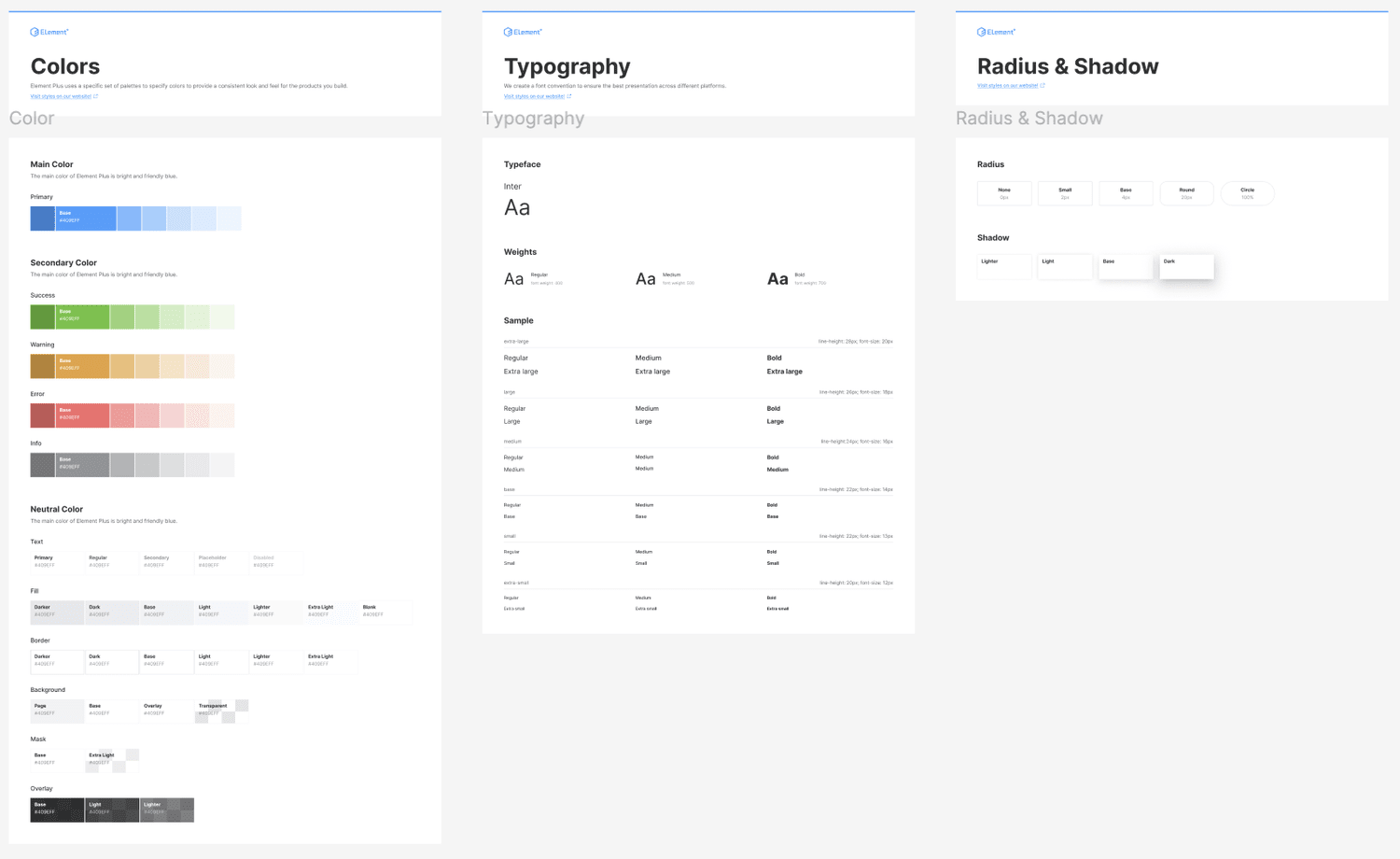
Abrigo makes software that banks use for everyday work. BAM+ is a group of products within that platform. Over time, different teams had built screens with different buttons, forms, navigation, and visual styles. I helped create shared design standards so the products would feel like parts of the same system.
Why consistency matters
Imagine learning where a search button lives, then opening another screen where it looks and behaves differently. Those small differences add effort. For developers, maintaining multiple sets of interface components also means repeating work. The project aimed to make the software easier to use and easier to build.
My contribution
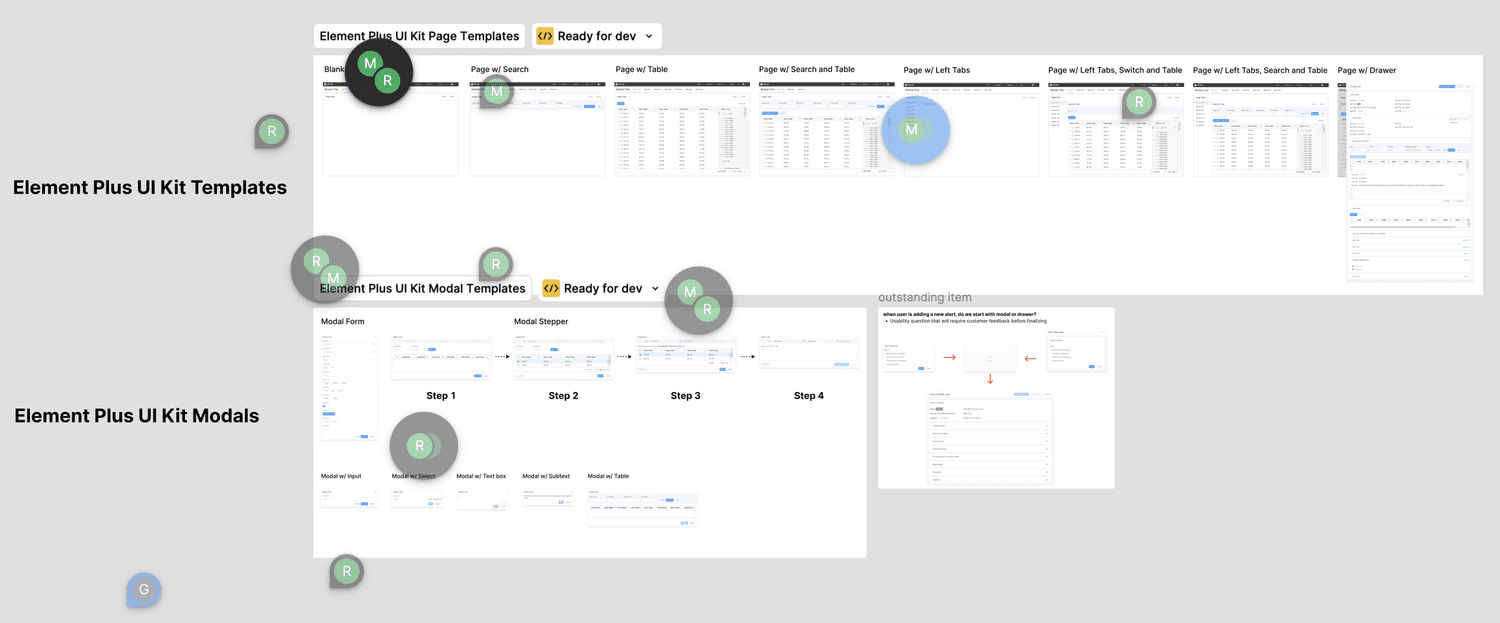
I collaborated on the BAM+ standards, created design assets for a shared component library, and evaluated navigation, search, and interface consistency. A component library is a reusable collection of building blocks—such as buttons, forms, and tables—that teams use to create screens.
Finding the most useful changes
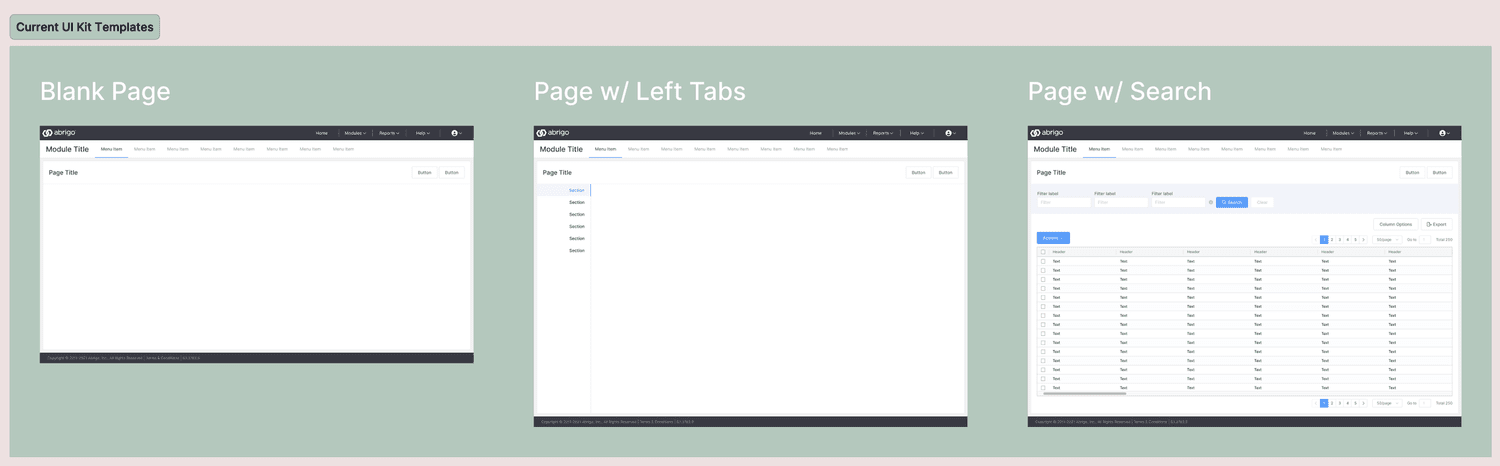
The team audited existing screens and reviewed customer feedback. Navigation, search, and interface clarity accounted for 33% of the enhancement requests referenced in the project. I also held feedback sessions with more than 30 customers over a year to understand their frustrations and guide component and page-template decisions.
Building a shared visual language
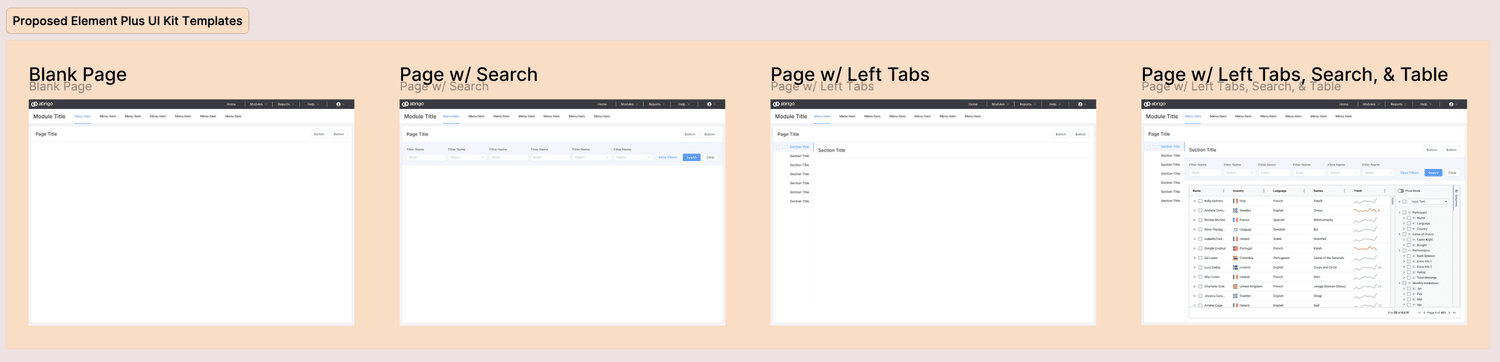
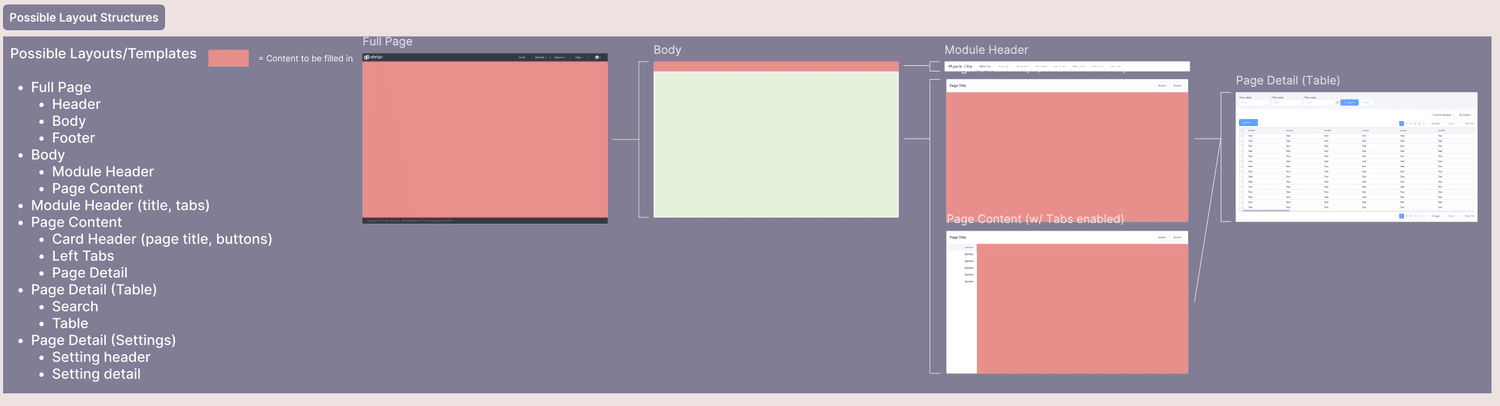
I helped define reusable patterns, explored page layouts, and created design assets for the central library. The technical foundation used Vue.js 3 and Element Plus: tools developers use to build interfaces. Aligning the design with those tools helped make the proposed patterns practical to implement.
Working through real constraints
Existing code, limited resources, and competing priorities made a full replacement impractical. Some teammates were concerned about the extra work involved in changing tools. We approached the work incrementally, collaborating with developers and sharing progress with stakeholders so the interface could improve without disrupting existing workflows.
From design to implementation
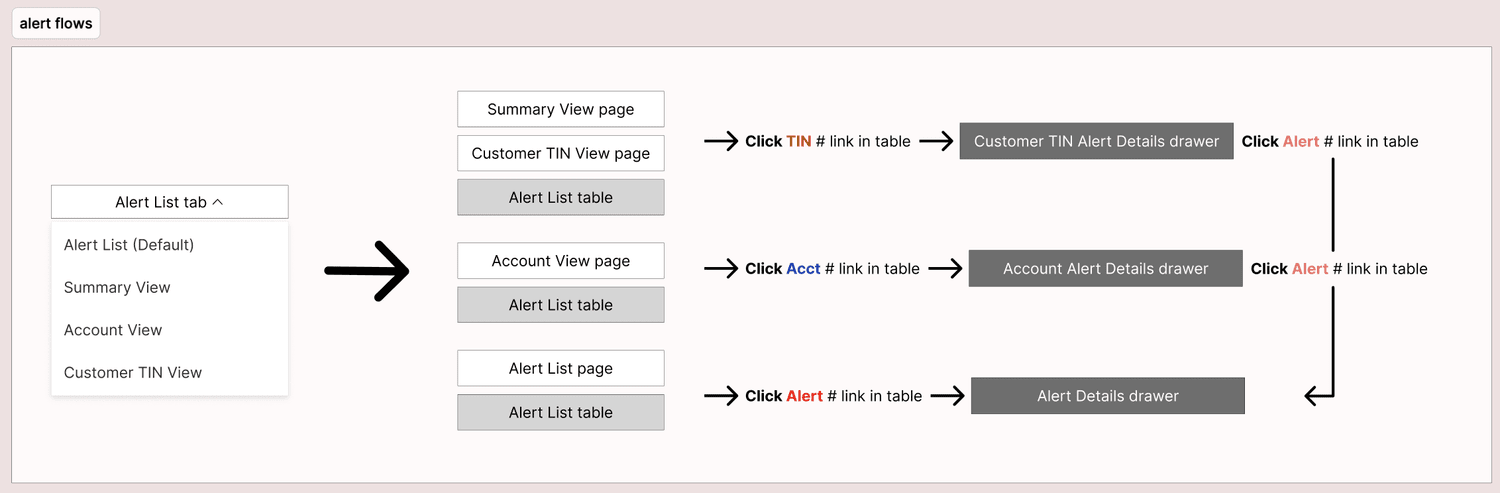
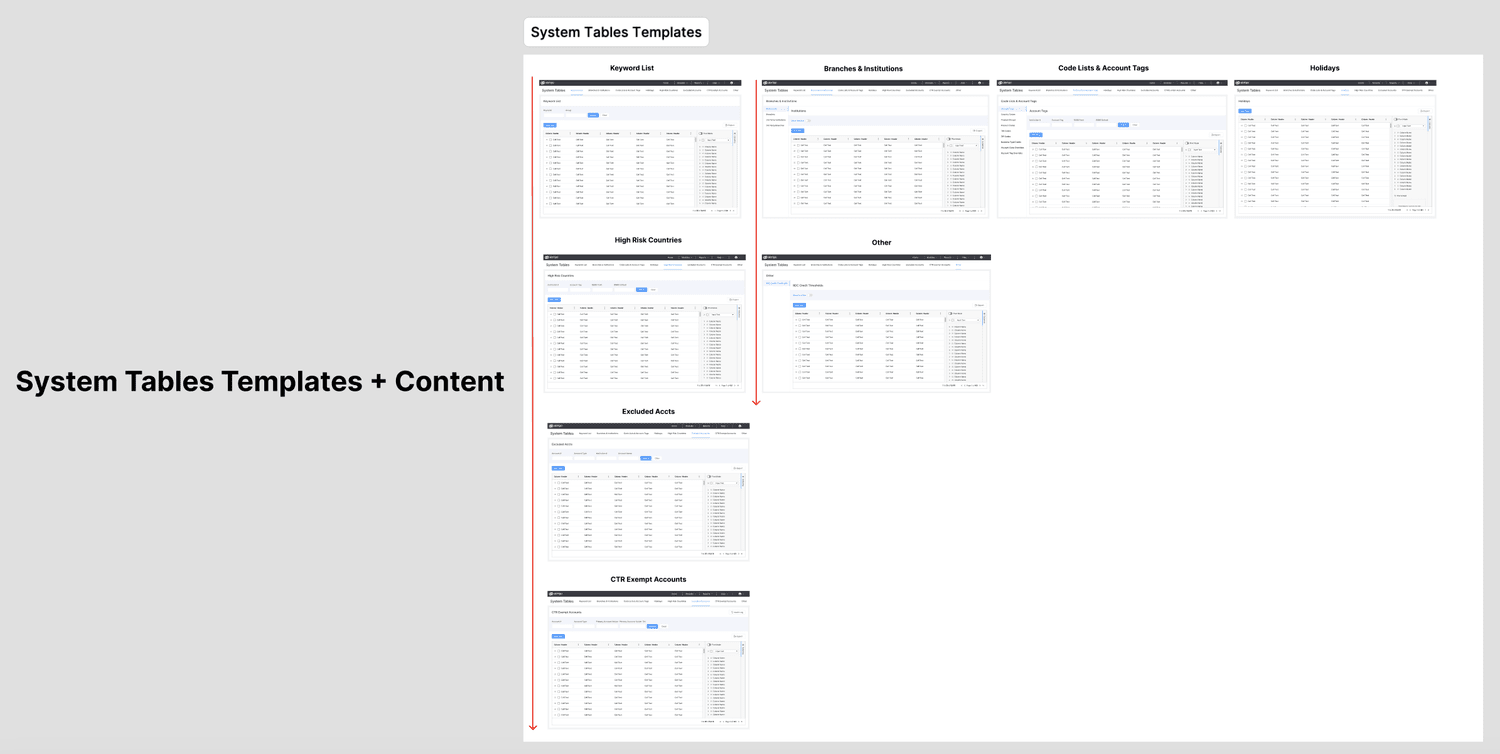
The pilot work included redesigned modules, standardized buttons, forms, and navigation, and documentation to support onboarding. Shared libraries helped connect the design work with implementation. I recommended dedicated frontend resources and a cross-functional team to maintain consistency as the products evolved.
What moved forward
The project secured stakeholder support and resource approval, including the hiring of 10 contractors to help engineers build and implement the work. Customer feedback from 2022–2024 informed smaller interface fixes and items on the 2025–2026 roadmaps. These are delivery milestones; the case study does not establish a measured retention increase.
What I learned
A design system succeeds when people can adopt it. Customer feedback helped prioritize the right changes, developer collaboration made designs feasible, and regular stakeholder conversations built support. Incremental improvements allowed the team to balance consistency, existing technology, and business priorities.